SA bans plastic straws, including PLA; sugarcane fibre straws are a compliant commercial option for venues.
South Australia’s plastic straw ban covers single-use plastic straws, including compostable plastic straws such as PLA. For SA cafes, bars, restaurants and bubble tea shops, a practical compliant option is a plastic-free fibre straw made from sugarcane bagasse. EcoGreen Supplies sugarcane straws are 100% sugarcane fibre, PFAS-free, lining-free and certified commercially compostable, but they are not certified home compostable.
What the South Australia plastic straw ban means for venues
South Australia moved early on single-use plastic restrictions, and plastic drinking straws were part of that shift. The key point for operators is that “compostable plastic” is still treated as plastic under the ban. A PLA straw may look like a safer swap, but it is not the same as a fibre straw for compliance purposes.
For a venue, the practical question is not whether a straw has green wording on the carton. The question is what material it is made from, how it is certified, and whether it suits the drinks you actually serve. A straw that is technically unsuitable for your menu will become a staff problem very quickly.
EcoGreen Supplies sugarcane straws are made from 100% sugarcane fibre, also called bagasse. They are plastic-free, PFAS-free and made without a lining. That is the distinction that matters when you are avoiding plastic straws in South Australia rather than trying to choose between different types of plastic.
PLA and fibre straws are not the same thing
PLA is a compostable plastic. It can be marketed as plant-based, and it may be certified for commercial composting in some product categories, but it remains a plastic material. In South Australia, that distinction matters because compostable plastic straws are still treated as banned plastic straws.
Sugarcane fibre straws are different because the straw body is fibre, not plastic. EcoGreen’s range is made from bagasse, a fibre left after sugarcane processing. There is no plastic lining added to make the straw hold together in a drink.
This is also where greenwashing can creep in. A venue may be told a straw is “eco”, “biodegradable” or “plant-based”, but those words do not always answer the compliance question. Ask whether the straw is plastic, whether it contains PLA, and whether it is a fibre product.
Which sugarcane straw suits your drinks?
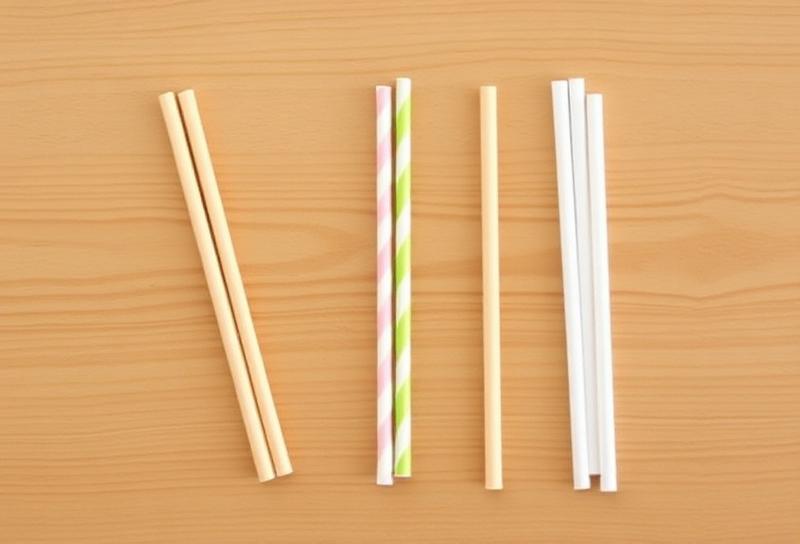
For standard cold drinks, water service, soft drinks, iced coffee and mixed drinks served in regular glassware, the Regular Sugarcane Straw is the usual starting point. It is 6mm x 200mm and is sold in cases of 2,500 pcs for $70.00 or 5,000 pcs for $135.00. You can view the product details at Regular Sugarcane Straws.
For bars and venues serving short drinks, the Cocktail Sugarcane Straw is shorter at 6mm x 140mm. It is sold in cases of 2,500 pcs for $55.00 or 5,000 pcs for $110.00. A shorter straw is often easier for lowball glasses and cocktail service because it does not sit awkwardly above the rim.
For thicker drinks, smoothies and some iced drinks with more texture, the Jumbo Sugarcane Straw gives more bore without moving to a bubble tea format. It is 8mm x 200mm and is sold in cases of 2,500 pcs for $100.00 or 5,000 pcs for $195.00. Product details are available at Jumbo Sugarcane Straws.
For bubble tea, choose a purpose-made bubble tea straw rather than trying to make a regular straw do the job. EcoGreen’s Bubble Tea Straws are 12mm x 220mm and sold in 1,800 pcs cases. The unwrapped version is $160.00, and the individually wrapped version is $165.00 for venues that need wrapped straws for takeaway counters or handling control.
Will sugarcane fibre straws hold up in service?
EcoGreen sugarcane straws are designed to hold up for 4+ hours in hot and cold drinks without going soggy. That matters for dine-in service, takeaway drinks that sit for a while, and staff confidence during a rush. A straw that collapses before the customer finishes the drink is not a sustainable option in any useful operational sense.
They are not the same feel as plastic. Fibre has a different mouthfeel, and some customers will notice the change if they are used to plastic or PLA. For most venues, the trade-off is acceptable because the straw remains usable through the drink and avoids the plastic compliance issue.
They are also not the right answer for every possible drink format. If your drink contains large toppings, jelly, pearls or thick inclusions, use the 12mm bubble tea straw rather than a regular or jumbo straw. Matching the diameter to the drink avoids complaints and wasted product.
Commercial compostable does not mean home compostable
EcoGreen sugarcane straws are certified commercially compostable. In a commercial composting facility, they break down in about 90 days. That claim applies to the right facility conditions, not to a backyard compost bin and not to landfill.
These straws are not certified home compostable. That should be stated clearly on any internal buying note or sustainability explanation, because overstating compostability creates the same credibility problem as buying a plastic straw with vague green claims. Commercial composting is a specific waste pathway, not a general promise that every bin gives the same result.
For South Australian venues, compliance and waste handling are related but separate decisions. A fibre straw can be chosen to avoid banned plastic, while your actual end-of-life outcome still depends on the waste collection available to your site. If your venue cannot access commercial organics collection, do not present the straw as home compostable.
Ordering for South Australian venues
EcoGreen Supplies ships Australia-wide from NSW through the One World Courier network. Standard delivery is three to seven business days, and express delivery is one to three business days. South Australian venues should allow for freight timing when changing over from an old straw stock to a compliant fibre option.
Freight is quoted live at checkout using the carrier’s real rates and charged at cost with no markup. There is no flat shipping rate and no free-shipping threshold. This matters with straws because cartons are bulky and light, so freight is often driven by carton volume rather than just weight.
Free warehouse pickup is available for operators who can collect from the warehouse. For most South Australian buyers, checkout freight is the clearest way to see the delivered cost before committing. If you are comparing options, compare the case size, material, certification and freight method rather than only the headline carton price.
Bulk buyers can review case options on the bulk orders page. Bubble tea shops can choose between unwrapped bubble tea straws and individually wrapped stock depending on their counter setup. If you need help matching a straw to a drinks menu, contact [email protected].
A simple compliance check before you buy
Before replacing plastic straws in a South Australian venue, ask the supplier direct material questions. Is the straw plastic, PLA, coated paper or fibre? Is it PFAS-free, and does it use a lining?
Then check whether the size suits the drink. A regular 6mm straw is not a bubble tea straw. A short cocktail straw may be the right service choice for a bar but the wrong fit for takeaway iced drinks.
Finally, be careful with composting language on menus, signage and staff scripts. “Commercially compostable” is accurate for EcoGreen sugarcane straws, and “not certified home compostable” is also accurate. Clear wording protects both the venue and the customer from assuming more than the product can honestly claim.
Common questions
Are PLA straws allowed under the South Australia plastic straw ban?
No. South Australia treats compostable plastic straws, including PLA straws, as banned plastic straws. PLA may be plant-based, but it is still a plastic material. A safer commercial choice is a plastic-free fibre straw, such as a sugarcane bagasse straw, where the straw body is not plastic and does not rely on a plastic lining.
Are sugarcane fibre straws compliant for South Australian cafes and bars?
EcoGreen sugarcane straws are made from 100% sugarcane fibre, with no plastic, no PFAS and no lining. They are certified commercially compostable and are suitable for venues replacing banned plastic straws in South Australia. They are not certified home compostable, so venues should not describe them that way on signage or menus.
Do fibre straws actually work in busy hospitality service?
EcoGreen sugarcane straws hold up for 4+ hours in hot and cold drinks without going soggy. Choose the straw size for the drink: regular for standard service, cocktail for short drinks, jumbo for thicker drinks, and 12mm bubble tea straws for pearls or toppings. The wrong diameter can cause more service problems than the material itself.
Can South Australian venues order EcoGreen sugarcane straws online?
Yes. EcoGreen Supplies ships Australia-wide from NSW through the One World Courier network. Standard delivery is three to seven business days, and express delivery is one to three business days. Freight is quoted live at checkout from carrier rates and charged at cost, with no markup. There is no flat rate or free-shipping threshold.
Which straw size should my venue buy first?
Start with your drink menu. Regular 6mm x 200mm straws suit most standard drinks, cocktail 6mm x 140mm straws suit short bar service, jumbo 8mm x 200mm straws suit thicker drinks, and 12mm x 220mm bubble tea straws suit pearls and toppings. If you are unsure, contact [email protected] before ordering a full case.