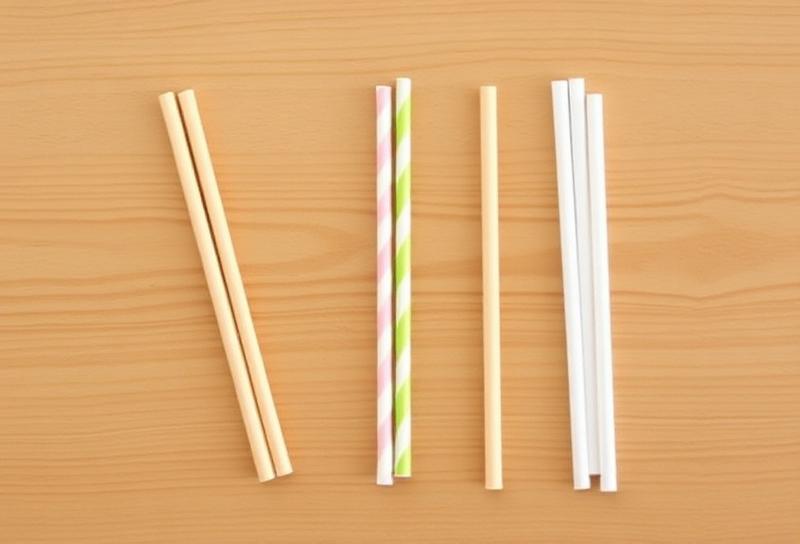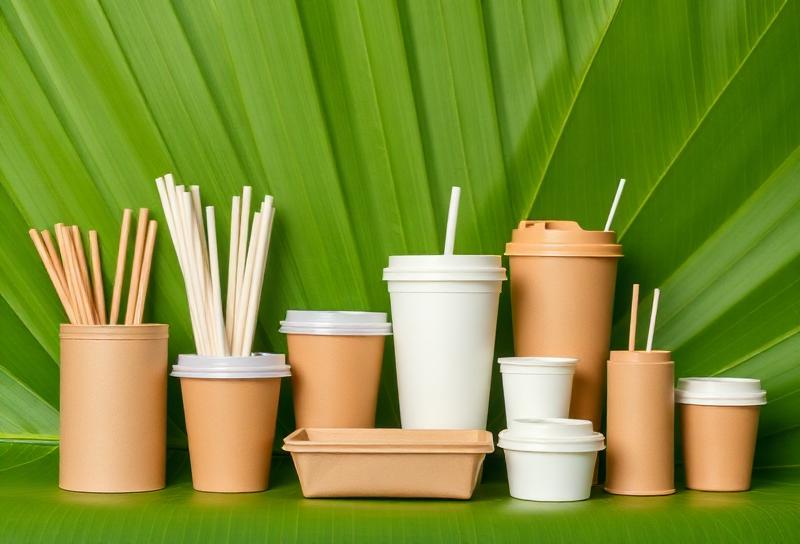
A practical comparison of sugarcane and rice straws for cafes, bars, restaurants and bubble tea venues.
For most hospitality venues, sugarcane straws are the more practical choice than rice straws when drink service includes hot drinks, long table times or predictable bulk ordering. Rice straws can suit short cold-drink service, but they soften in hot drinks and usually cost more per unit. Sugarcane fibre straws are plastic-free, PFAS-free, commercially compostable and hold up for 4+ hours in hot and cold drinks.
What are sugarcane straws made from?
Sugarcane straws are made from bagasse, the fibre left after sugarcane has been processed. EcoGreen Supplies sugarcane straws are 100% sugarcane fibre, with no plastic lining and no PFAS. The material is pressed into a drinking straw that looks and handles more like a conventional straw than a paper straw.
The key point for a venue is not the crop story; it is how the straw behaves in service. A straw that collapses halfway through a drink creates staff complaints, customer complaints and wasted stock. Sugarcane fibre is firm enough for both hot and cold drinks while still being a plant-fibre material.
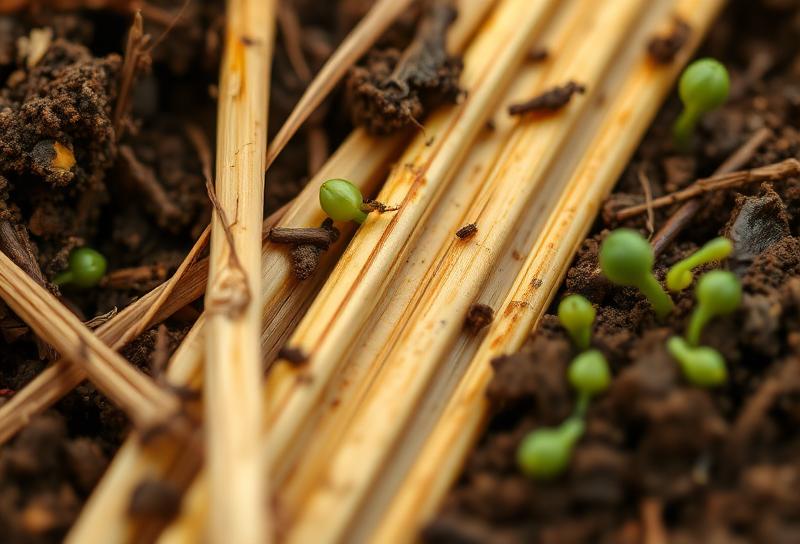
EcoGreen Supplies sugarcane straws are certified commercially compostable. They break down in about 90 days in a commercial composting facility. They are not certified home compostable, and venues should not describe them that way on menus, signage or sustainability pages.
What are rice straws?
Rice straws are generally made from rice-based ingredients formed into a drinking straw. They are often promoted as edible or compostable alternatives to plastic. In practice, their suitability depends heavily on the drink format, holding time and whether the drink is hot or cold.
The main operational concern with rice straws is softening. In short cold-drink service, that may be acceptable. In hot drinks, or drinks that sit on a table while a customer eats, rice straws can lose structure faster than a venue would want.
Rice straws also tend to cost more per unit than sugarcane straws. For a venue ordering by the case, that matters because straws are a repeat consumable, not a once-off purchase. A small difference per straw becomes a real purchasing issue when every iced coffee, cocktail, smoothie or bubble tea needs one.
The service test: hot drinks, cold drinks and dwell time
The best comparison is not whether a straw sounds sustainable. It is whether it survives the drinks you actually sell. A cafe with iced lattes, takeaway coffees, smoothies and dine-in service has different requirements from a bar serving short cocktails across a busy pass.
EcoGreen Supplies sugarcane straws hold up for 4+ hours in hot and cold drinks without going soggy. That matters for venues where a customer may nurse a drink, carry it away, or leave it sitting while eating. It also gives staff one default straw to use across more drink types.
Rice straws are weaker in hot drinks. If a venue serves hot beverages with straws, or has customers who expect a straw to last through a longer sitting, rice is a higher-risk option. It may still work for short cold drinks, but it is not as forgiving across a mixed menu.
A straw that works only in some drinks creates training issues. Staff have to remember which straw goes with which item, especially during rush periods. Many venues prefer to reduce that decision at the counter and use one material that covers most common drinks.
Compostability and disposal claims
Sugarcane straws and rice straws are both often discussed as alternatives to plastic, but the disposal claim needs to be precise. EcoGreen Supplies sugarcane straws are certified commercially compostable. That means they are designed for commercial composting systems, not backyard compost bins.
Commercial compostability is not the same as home compostability. EcoGreen Supplies sugarcane straws are not certified home compostable. If your venue is making public claims, the safest wording is “certified commercially compostable” rather than “compostable” on its own.
No straw should be sold to customers as a magic solution to litter. Commercially compostable packaging needs the right collection and processing pathway. If it goes into general waste, the composting benefit is not being used.
This is also where sugarcane has an advantage over vague sustainability claims. The material is 100% sugarcane fibre, plastic-free, PFAS-free and has no lining. Those are concrete product facts a venue can check, rather than broad green language.
Cost and ordering reality for venues
For a business, the comparison is not just material performance. It is also ordering, storage and consistency. Straws are light but bulky, so freight is usually driven by carton volume rather than carton weight.
EcoGreen Supplies sells sugarcane straws in bulk case quantities. Regular Sugarcane Straws are 6mm x 200mm and come in 2,500 pcs for $70.00 or 5,000 pcs for $135.00. Cocktail Sugarcane Straws are 6mm x 140mm and come in 2,500 pcs for $55.00 or 5,000 pcs for $110.00.
For thicker drinks, Jumbo Sugarcane Straws are 8mm x 200mm and come in 2,500 pcs for $100.00 or 5,000 pcs for $195.00. Bubble Tea Straws are 12mm x 220mm and come in 1,800 pcs for $160.00 unwrapped, or 1,800 pcs for $165.00 individually wrapped. You can view bulk options through wholesale and bulk pricing.
The price comparison with rice straws is usually straightforward: rice straws cost more per unit. If the straw also has a narrower use case because it softens in hot drinks, the venue is paying more for a product that may need tighter staff control.
That does not mean rice straws are never useful. A venue selling a small range of short cold drinks may decide the trade-off is acceptable. But for a cafe, restaurant, bar or bubble tea shop wanting one dependable plant-fibre straw range, sugarcane is usually easier to manage.
Which sugarcane straw fits which drink?
Regular 6mm x 200mm sugarcane straws are the general-purpose option for cafes, restaurants and takeaway drink service. They suit many standard cold drinks, iced coffees and mixed beverage menus. If you want one starting point, see Regular Sugarcane Straws.
Cocktail 6mm x 140mm sugarcane straws are shorter and suit bars, events and venues serving drinks in smaller glasses. They can reduce the awkward look of a tall straw in a short drink. For bar service, the Cocktail Sugarcane Straws are the more natural fit.
Jumbo 8mm x 200mm sugarcane straws suit thicker drinks where a regular straw feels too narrow. Smoothies, frappes and some iced drinks often need the wider bore. Bubble tea venues should use the 12mm x 220mm bubble tea format instead, because pearls and toppings need more clearance.
Bubble tea shops can choose wrapped or unwrapped 12mm x 220mm sugarcane straws. Wrapped straws are useful where hygiene presentation or self-serve pickup matters. Unwrapped straws can suit behind-counter service where staff hand the straw directly to the customer; both options are available on the Bubble Tea Straws page.
Shipping, freight and planning stock
EcoGreen Supplies ships Australia-wide from NSW via the One World Courier network. Standard delivery is three to seven business days, and express delivery is one to three business days. Free warehouse pickup is also available.
Freight is quoted live at checkout from the carrier’s real rates and charged at cost, with no markup. There is no flat shipping rate and no free-shipping threshold. This matters for cartons of straws because bulky-light goods can vary in freight cost depending on destination and service level.
For venue planning, it is better to order before you are down to your last sleeve or box. Straws are not expensive equipment, but running out affects every drink that normally leaves the counter with one. Keeping a spare case on hand is simpler than making emergency substitutions.
If you operate outside NSW, the ordering process is the same. Venues in Victoria can also use the Melbourne buying page for state-specific context, while Queensland venues can use the Brisbane page if needed. For product or freight questions, contact [email protected].
The practical verdict
Sugarcane straws are the safer default for mixed hospitality service because they work in hot and cold drinks, hold up for 4+ hours, and are available in sizes that match standard drinks, cocktails, smoothies and bubble tea. Rice straws can be considered for short cold-drink service, but they are less suited to hot drinks.
The sustainability comparison should also be kept honest. EcoGreen Supplies sugarcane straws are certified commercially compostable, plastic-free, PFAS-free and made from 100% sugarcane fibre. They are not certified home compostable, and that limit should be stated plainly if your venue is explaining the switch to customers.
For a buyer, the decision comes down to fewer complaints, fewer staff decisions and a repeatable case price. On those points, sugarcane is usually the more practical choice for a venue that wants to replace plastic without creating a new service problem.
Common questions
Are sugarcane straws better than rice straws for hot drinks?
Yes, sugarcane straws are usually the better option for hot drinks. EcoGreen Supplies sugarcane straws hold up for 4+ hours in hot and cold drinks without going soggy. Rice straws can soften in hot drinks, which makes them less reliable for cafes and venues where customers may sit with a drink for longer.
Are sugarcane straws home compostable?
EcoGreen Supplies sugarcane straws are not certified home compostable. They are certified commercially compostable and break down in about 90 days in a commercial composting facility. Venues should use the wording “certified commercially compostable” rather than making a home composting claim on menus, signage or online product descriptions.
Do rice straws cost more than sugarcane straws?
Rice straws generally cost more per unit than sugarcane straws. For hospitality venues, that matters because straws are a repeat consumable used across many drinks each week. Sugarcane straws also cover more drink types, including hot and cold drinks, so venues are less likely to need separate straw rules for different menu items.
Which sugarcane straw size should a cafe or bar order first?
For general cafe and takeaway drink service, the Regular Sugarcane Straw at 6mm x 200mm is the usual starting point. Bars serving shorter glassware often prefer the Cocktail Sugarcane Straw at 6mm x 140mm. Thicker drinks need the Jumbo 8mm x 200mm option, while bubble tea needs the 12mm x 220mm bubble tea straw.
What if sugarcane straws do not suit one of our drinks?
It is better to match the straw to the drink than force one format across everything. Regular straws suit many standard drinks, jumbo straws suit thicker drinks, and bubble tea straws suit toppings and pearls. If you are unsure which case to order, contact [email protected] with your drink types and service setup.