A practical cafe guide to choosing between reusable and commercially compostable straws behind the counter.
For cafes, reusable straws can suit controlled dine-in service where staff can collect, wash and inspect every straw. Commercially compostable sugarcane straws are usually simpler for takeaway, busy counters, outdoor tables and venues with high loss rates. The right choice depends less on the material label and more on labour, hygiene handling, customer behaviour and waste collection.
The real comparison is operational, not just environmental
A metal or glass straw looks like the lower-waste option because it is used more than once. That only works if it keeps coming back to the wash-up area, is cleaned properly, and is not treated like a souvenir or thrown out with napkins. In a cafe, the environmental argument depends on the system around the straw.
A commercially compostable straw is still a single-use item. Its advantage is that it does not need to be recovered, washed, dried, stored and counted after service. For takeaway drinks, table service outside, markets, events and quick-service venues, that simplicity often matters more than the idea of reuse.
Sugarcane fibre straws sit in the single-use compostable category. EcoGreen Supplies straws are made from 100% sugarcane fibre, also called bagasse, with no plastic, no PFAS and no lining. They are certified commercially compostable, not certified home compostable.
When reusable straws make sense
Reusable straws can work in a cafe that mainly serves dine-in drinks in glassware or ceramic cups. The best fit is a venue where staff already clear tables quickly and where straws come back with the cup every time. They also suit a smaller menu where only a few drinks need straws.
Metal straws are durable, but customers may not like the mouthfeel in cold drinks or the heat transfer in hot drinks. Glass straws can look good at the table, but breakage and inspection become part of the job. Silicone can be more comfortable, but it still needs thorough washing and drying.
Reusable straws also need a clear workflow. Staff need somewhere for used straws to go, a way to wash inside the straw, and a way to check that each one is clean before it goes back into service. If the workflow is not followed during the rush, the system breaks down quickly.
The hidden costs of reusable straws
The cost of a reusable straw is not only the purchase price. A cafe also carries washing labour, water and detergent use, drying space, storage space and replacement stock. If staff have to stop during service to deal with straws, the cost shows up as friction behind the counter.
Loss rate is the issue many venues underestimate. Small loose items leave with customers, fall into bins, get cleared with waste or disappear during events. A reusable straw that is not returned is no longer reusable in practice, and the venue has to replace it.
Inspection is another practical cost. A straw is a narrow tube that a customer puts in their mouth. If staff cannot confidently check the inside, or if the venue does not have the right cleaning brush or wash process, reusable service becomes harder to defend.
Customer acceptance also matters. Some customers are happy with a reusable straw in a seated drink. Others are uncomfortable using a straw that has been used by previous customers, even if it has been washed. That concern may be more common for bubble tea, smoothies and drinks with texture, where residue is more likely to be noticed.
When commercially compostable straws are the better fit
Commercially compostable straws are usually the better fit when drinks leave the premises. Takeaway iced coffees, smoothies, juices and bubble tea are hard to pair with reusable straws because the straw does not come back. If the cup is going out the door, a single-use straw is often the cleaner operational choice.
They are also useful where staff turnover is high or service is fast. A compostable straw can be stocked beside lids and napkins, used once, and handled like other front-of-house consumables. There is no collection loop to explain or police.
For venues choosing sugarcane fibre, the main practical question is whether the straw holds up in the drink. EcoGreen Supplies sugarcane straws hold up for 4+ hours in hot and cold drinks without going soggy. That makes them suitable for typical cafe service, including customers who sit with one drink for a while.
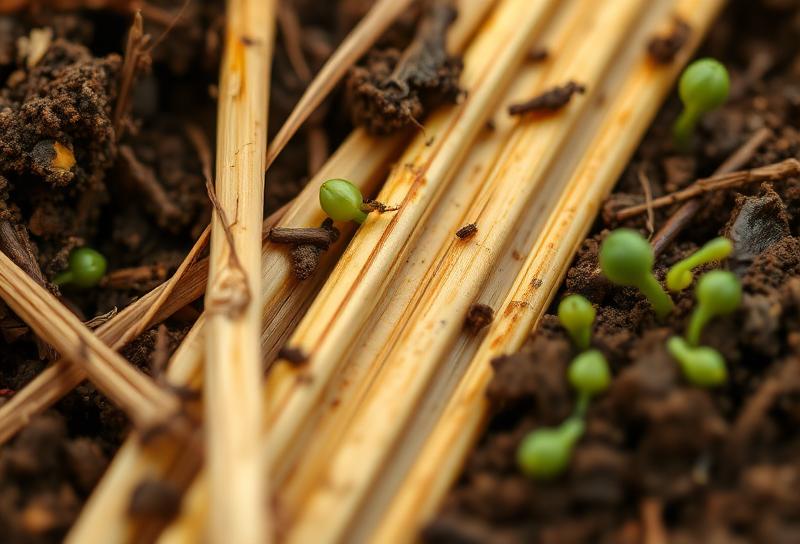
Commercial compostability still needs honest waste handling. These straws are certified commercially compostable and break down in about 90 days in a commercial composting facility. They are not certified home compostable, and a general waste bin is not the same as a composting facility.
Choosing sizes for a cafe menu
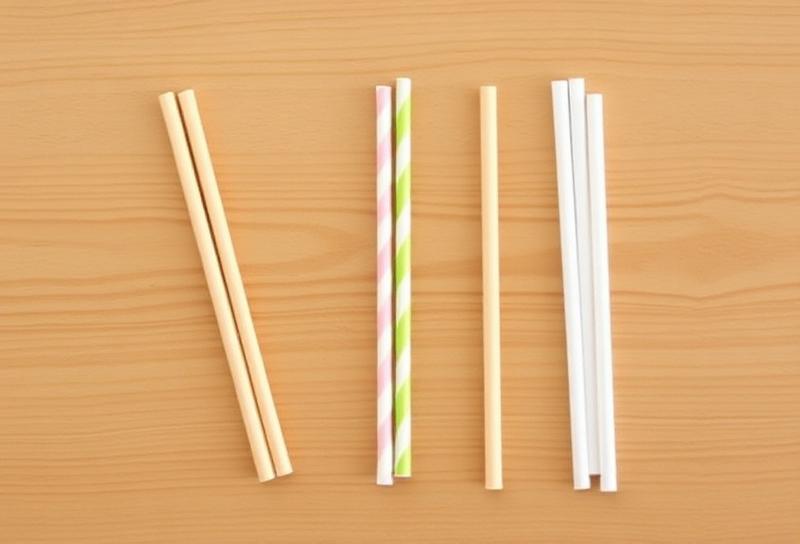
Most cafes do not need one straw for every drink. A regular straw suits many iced coffees, soft drinks, juices and standard cold drinks. EcoGreen Supplies Regular Sugarcane Straws are 6mm x 200mm and come in cases of 2,500 pcs for $70.00 or 5,000 pcs for $135.00.
Short drinks need a shorter straw. Cocktail straws can suit short glasses, tasting serves, spirits, kids’ drinks or venues that do not want a full-length straw in a low cup. Cocktail Sugarcane Straws are 6mm x 140mm and come in 2,500 pcs for $55.00 or 5,000 pcs for $110.00.
Thicker drinks need a wider straw. Smoothies, thickshakes and drinks with pulp are more comfortable through a jumbo size. Jumbo Sugarcane Straws are 8mm x 200mm and come in 2,500 pcs for $100.00 or 5,000 pcs for $195.00.
Bubble tea needs a different product. Tapioca pearls and toppings need a wide 12mm straw, and some venues prefer wrapped stock for hygiene handling or self-serve counters. EcoGreen Supplies carries Bubble Tea Straws at 12mm x 220mm in 1,800 pcs for $160.00, and individually wrapped 12mm x 220mm bubble tea straws in 1,800 pcs for $165.00.
How to decide behind the counter
Start with the drink path. If the drink stays at the table, staff clear it, and the straw reliably returns to the kitchen, reusable can be tested. If the drink goes out the door, sits in an outdoor area, or moves through a busy self-clear system, commercially compostable is usually easier.
Then look at staff time. A reusable straw program needs collection, washing, drying, checking and restocking. A compostable straw program needs ordering, storage and waste-bin clarity. Neither option is effort-free, but the effort lands in different parts of the business.
Think about customer confidence. Reusable straws may be accepted in some dine-in settings, especially if the venue explains the wash process. Compostable straws may be more familiar for takeaway customers because they behave like a normal straw without the paper-straw sogginess many people dislike.
For many cafes, the practical answer is a mixed setup. Use reusable straws only where the venue can control the loop, and keep commercially compostable sugarcane straws for takeaway, outdoor service and high-loss situations. That avoids making staff solve a collection problem during the busiest part of service.
Ordering and freight considerations
Straws are light but bulky, so freight is often priced by the space a carton takes rather than by its physical weight. EcoGreen Supplies ships Australia-wide from NSW through the One World Courier network. Freight is quoted live at checkout from the carrier’s real rates and charged at cost, with no markup.
There is no flat shipping rate and no free-shipping threshold. Standard delivery is three to seven business days, and express is one to three business days. Free warehouse pickup is available for venues that can collect.
For multi-site venues or buyers stocking several straw sizes, the bulk orders page is the best place to check current case options. If you are unsure which size fits a drink, email [email protected] with the cup type and drink style before ordering.
Common questions
Are reusable straws better than compostable straws for cafes?
Reusable straws can be better for controlled dine-in service if staff can recover, wash and inspect them every time. Compostable straws are often better for takeaway, outdoor tables and fast service because they do not rely on the straw coming back. For many cafes, a mixed approach is more practical than choosing one option for every drink.
Do sugarcane straws go soggy like paper straws?
EcoGreen Supplies sugarcane straws hold up for 4+ hours in hot and cold drinks without going soggy. They are made from 100% sugarcane fibre, with no plastic, no PFAS and no lining. They are a better fit than paper where customers tend to nurse iced coffees, smoothies or cold drinks for longer.
Are commercially compostable straws home compostable?
No. EcoGreen Supplies sugarcane straws are certified commercially compostable, not certified home compostable. They are designed to break down in about 90 days in a commercial composting facility. If your venue does not have access to commercial compost collection, be clear with staff and customers rather than implying home compostability.
What if customers take or throw away reusable straws?
That is the main weakness of reusable straws in cafes. A reusable straw only works if it returns to the wash-up area and stays in circulation. If straws leave with takeaway cups, get binned with napkins or disappear from outdoor tables, the venue carries replacement cost and staff spend time managing stock loss.
Which compostable straw size should a cafe start with?
Most cafes start with a regular 6mm straw for iced coffee, juice and standard cold drinks, then add a jumbo 8mm straw for smoothies or thicker drinks if needed. Bubble tea venues should use a 12mm straw for pearls and toppings. Short glasses may suit a 140mm cocktail straw instead of a full-length straw.