How Australian venues can handle plastic straw ban exemptions for disability and medical access while using compliant everyday alternatives.
Plastic straw ban exemptions in Australia generally allow plastic straws to remain available for people who need them because of disability, medical need or another accessibility requirement. For hospitality venues, the practical approach is to keep a small, discreet supply for request-based access, train staff not to question the customer unnecessarily, and use compliant non-plastic straws for general service.
What the exemptions are trying to do
Plastic straw bans are not meant to stop a person with disability or medical need from drinking safely. Some people need a flexible plastic straw because paper, metal, glass, silicone or rigid compostable straws may not work for their body, medication, support worker routine or hot drink use.
For a venue, this means accessibility and general service should be treated separately. You can remove plastic straws from the counter, bar caddy and takeaway bags while still keeping plastic straws available for customers who ask for one because they need one.
Staff should not ask a customer to prove a disability or explain a private medical condition. A short response such as “yes, we have one available” is usually better than turning the request into a policy discussion at the counter.
State and territory position in plain English
Each state and territory has its own wording, but the common pattern is that single-use plastic straws are restricted for ordinary supply and allowed in some form for disability, health or care-related access. The details can change, so venues should check the current guidance from the relevant state or territory regulator before writing staff procedures.
New South Wales allows access to plastic straws for people who need them for disability or medical reasons. A NSW cafe, bar or restaurant should not display plastic straws for general use, but may keep them aside so staff can provide one when a customer needs it.
Victoria has an exemption framework for people who need a plastic straw because of disability or medical need. Hospitality venues should keep any exempt plastic straws out of self-serve areas and treat them as an accessibility item supplied on request, not as a standard straw option.
Queensland recognises that some people need plastic straws for disability, health or safety reasons. A Queensland venue can move its everyday straw service to a non-plastic option while keeping plastic straws available for customers who cannot use the alternative.
Western Australia provides exemptions linked to disability, medical and care needs. For a restaurant, bar or takeaway shop, the safe operating position is to stop routine plastic straw supply and keep any exempt stock controlled behind the counter.
South Australia has long restricted many single-use plastic items, with exemptions that protect access for people who need plastic straws. Venues should avoid treating the exemption as a general workaround, because it is there for accessibility, not convenience.
Tasmania, the Australian Capital Territory and the Northern Territory also require venues to pay attention to local rules and current regulator guidance. If your business operates across borders, write the strictest practical staff process and then check each location against its own state or territory requirements.
How venues should handle plastic straws on request
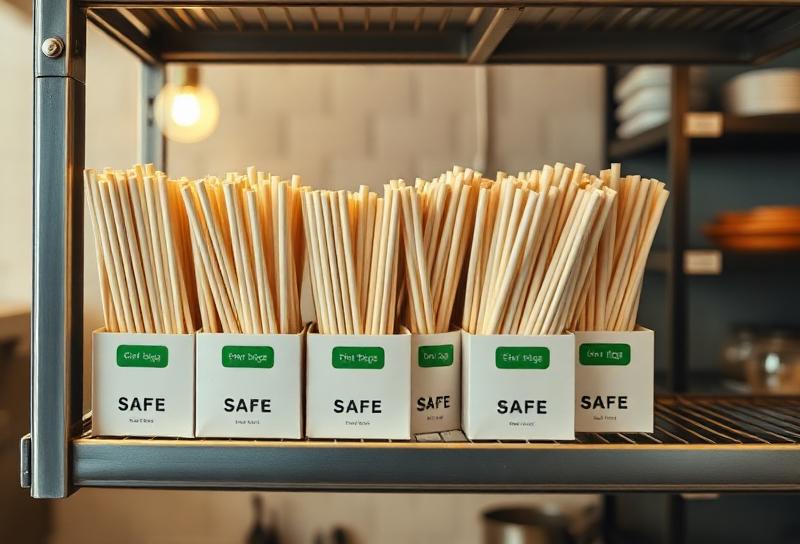
The cleanest process is to remove plastic straws from public display and keep them in a labelled staff-only spot. The label does not need to be visible to customers. It just needs to help casual staff understand that the stock is for accessibility requests, not for general service.
Train staff to respond without judgement. If a customer asks for a plastic straw, staff can provide it without asking why. If a staff member is unsure, the manager’s procedure should be simple enough to follow during a busy service period.
Do not make the customer argue with the venue’s sustainability policy. A plastic straw request may be about swallowing, grip, muscle control, temperature, fatigue, medication or support needs. The person asking may already have had the same conversation too many times that day.
Keep purchasing records clear. If your venue buys plastic straws only for exemption use, store them separately from your everyday straw stock so they are not accidentally put back into normal service.
Choosing a compliant everyday straw
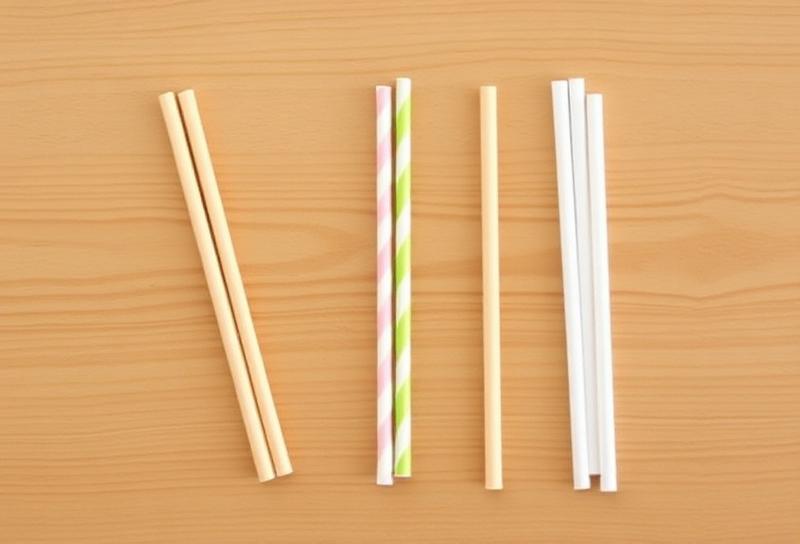
For general service, many venues move to paper, reusable or commercially compostable straws. Each option has trade-offs. Paper can soften in longer drinks, reusables need washing and handling systems, and commercially compostable products need the right waste pathway to deliver the intended end-of-life outcome.
EcoGreen Supplies sugarcane straws are made from 100% sugarcane fibre, also called bagasse. They are plastic-free, PFAS-free and have no lining. They are certified commercially compostable and are designed to hold up 4+ hours in hot and cold drinks without going soggy.
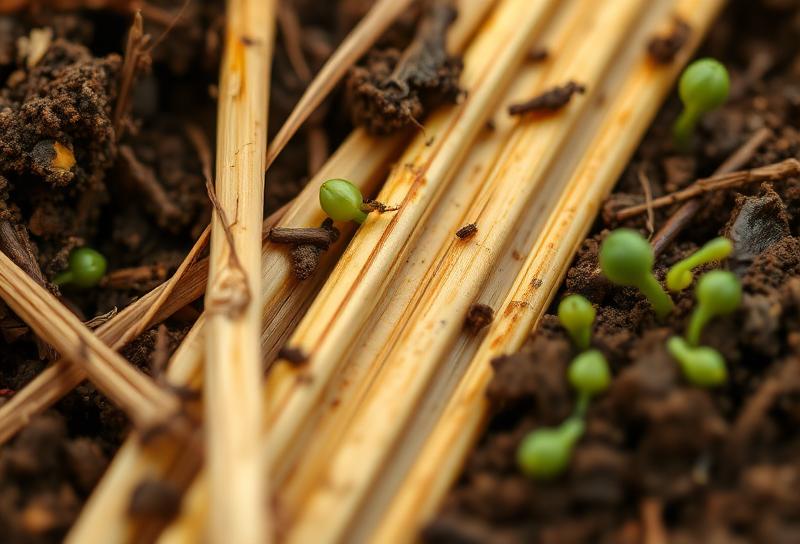
These straws are not certified home compostable. They break down in about 90 days in a commercial composting facility, so a venue should only describe them as commercially compostable. That distinction matters, especially for operators who want to avoid making claims their waste system cannot support.
A standard cafe or restaurant using straws for iced coffee, soft drink, juice, water and mixed drinks will usually start with Regular Sugarcane Straws. Bars serving short drinks may prefer Cocktail Sugarcane Straws, while thicker drinks often need Jumbo Sugarcane Straws.
Bubble tea is a separate use case because the straw needs a wider bore. EcoGreen Supplies offers 12mm x 220mm bubble tea straws in wrapped and unwrapped cases. The unwrapped bubble tea straws suit venues with controlled back-of-house handling, while the wrapped version suits higher handling or takeaway setups.
What sugarcane straws do not solve
A sugarcane straw is not the same as a flexible plastic straw. If a customer needs a bendable plastic straw for disability or medical reasons, a rigid or semi-rigid alternative may not be suitable. In that situation, the exemption stock exists for a reason.
Commercial compostability also does not mean the straw disappears in a general waste bin. If the straw goes to landfill, the commercial composting claim is not being used in the way it was certified for. Venues should be plain with staff and customers about that limit.
A venue should avoid saying “we are plastic free” if it keeps a small supply of exempt plastic straws for accessibility. A more accurate statement is that plastic straws are not used for general service, but are available on request for people who need them.
Buying and storage considerations for hospitality operators
Bulk straw buying is usually about fit, storage and service flow, not just the case price. Regular Sugarcane Straws are 6mm x 200mm and come in 2,500 pcs for $70.00 or 5,000 pcs for $135.00. Cocktail Sugarcane Straws are 6mm x 140mm and come in 2,500 pcs for $55.00 or 5,000 pcs for $110.00.
Jumbo Sugarcane Straws are 8mm x 200mm and come in 2,500 pcs for $100.00 or 5,000 pcs for $195.00. Individually Wrapped Bubble Tea Straws are 12mm x 220mm and come in 1,800 pcs for $165.00. Bubble Tea Straws unwrapped are 12mm x 220mm and come in 1,800 pcs for $160.00.
Straws are bulky-light freight, so shipping is often priced on carton volume rather than weight alone. EcoGreen Supplies ships Australia-wide from NSW through the One World Courier network. Standard delivery is three to seven business days, and express delivery is one to three business days.
Freight is quoted live at checkout from the carrier’s real rates and charged at cost, with no markup. There is no flat shipping rate and no free-shipping threshold. Free warehouse pickup is available for operators who prefer to collect.
If you run several venues, keep the exemption procedure consistent across sites and buy everyday alternatives through a controlled channel. You can review case options on the bulk orders page or contact [email protected] if you need help matching straw sizes to your drinks list.
A practical policy for your staff manual
A workable venue policy can be short. It should say that plastic straws are not supplied for general service, but may be provided on request where a customer needs one for disability, medical or accessibility reasons. It should also say staff must not ask for proof.
The same policy should name the default straw used for ordinary drinks. For example, regular sugarcane straws can be the default for most cold drinks, cocktail straws for short drinks, jumbo straws for thicker drinks, and bubble tea straws for pearls or toppings.
The aim is not to make the venue perfect. The aim is to comply with plastic straw restrictions, avoid greenwashing, and still serve customers who cannot safely use the alternatives. That is a better operating position than pretending one straw type works for every person and every drink.
Common questions
Can my cafe still keep plastic straws for customers who need them?
In general, no. Plastic straws should not be treated as a normal service item where a ban applies. Venues may keep them for customers who need a plastic straw because of disability, medical need or another accessibility reason. Keep them behind the counter, provide them on request, and use a compliant non-plastic option for ordinary service.
Do customers need to show proof before we give them a plastic straw?
Staff should not ask a customer to prove a disability or explain a medical condition. A simple request for a plastic straw should be enough for service staff to provide one from the accessibility stock. This avoids embarrassing the customer and keeps the venue’s process practical during service.
Do compostable sugarcane straws replace the exemption completely?
No. Commercially compostable sugarcane straws are a good everyday replacement for many drinks, but they are not a substitute for every accessibility need. Some people specifically need a flexible plastic straw. A venue can use sugarcane straws for general service and still keep a small supply of plastic straws for exemption requests.
What should we put in our staff procedure?
Write one clear staff rule: plastic straws are not for general service, but are available on request for disability, medical or accessibility needs. Store them separately from everyday straws and do not place them in self-serve areas. If your business operates in more than one state or territory, check local regulator guidance for each site.
Are sugarcane straws home compostable?
EcoGreen Supplies sugarcane straws are certified commercially compostable, not certified home compostable. They break down in about 90 days in a commercial composting facility. If your venue cannot send them to commercial composting, you should still describe the product accurately and avoid implying that it will compost in any bin or home compost system.