A practical guide to choosing commercially compostable sugarcane straws for juice bars, cold-press counters and smoothie service.
Compostable straws for juice bars need to handle cold, acidic and pulpy drinks without softening during service. Sugarcane fibre straws are a practical fit for most juice counters because they are plastic-free, PFAS-free, commercially compostable and hold up for 4+ hours in hot and cold drinks. For juice bars, the usual choice is 6mm for clear juices and 8mm for thicker smoothies or pulpy blends.
What matters most behind a juice counter
A juice bar straw is not just a sustainability item. It has to work during the rush, fit the cup lid, suit the drink texture and avoid complaints from customers who are already paying attention to ingredients and packaging.
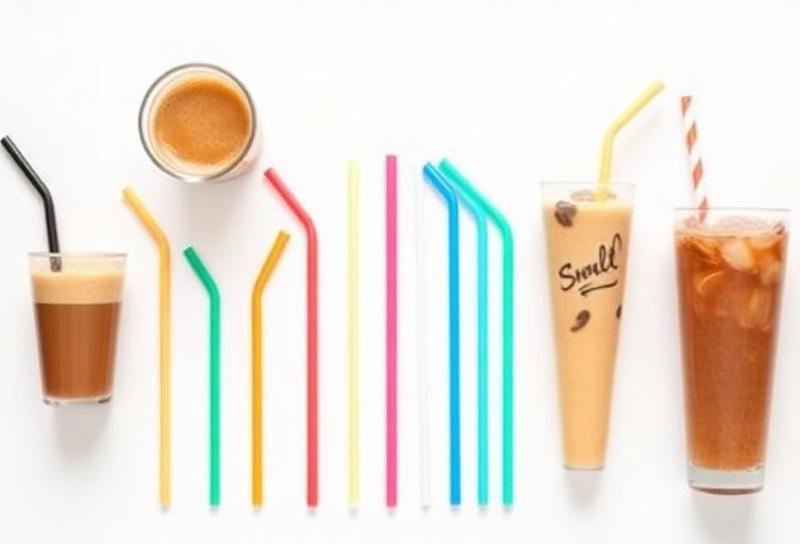
Cold-press juice, orange juice, iced tea and other thin drinks usually work well with a regular 6mm straw. Smoothies, blended fruit drinks and juices with more pulp usually need an 8mm straw so the drink moves through the straw without the customer fighting it.
The wrong straw size causes more trouble than the wrong colour or branding. If the straw is too narrow for the drink, staff will hear about it at the counter. If it is too wide for the lid, staff end up improvising during service.
Sugarcane fibre, not paper or bioplastic
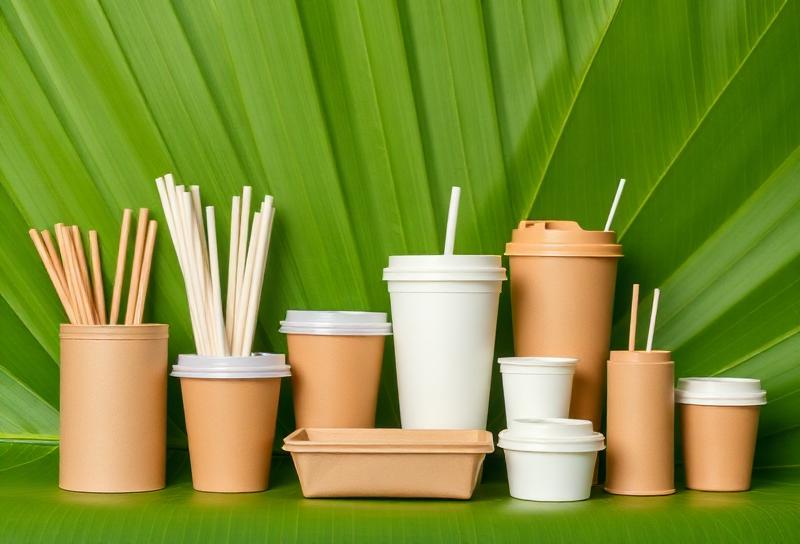
EcoGreen Supplies sugarcane straws are made from 100% sugarcane fibre, also called bagasse. They are plastic-free, PFAS-free and made without a lining. For venues trying to avoid both plastic and coated paper, that material detail matters.
Sugarcane fibre has a different feel from paper. It does not collapse quickly in wet drinks, and it does not need a plastic lining to stay usable. The straws hold up for 4+ hours in hot and cold drinks without going soggy, which is more than enough for most takeaway juice service.
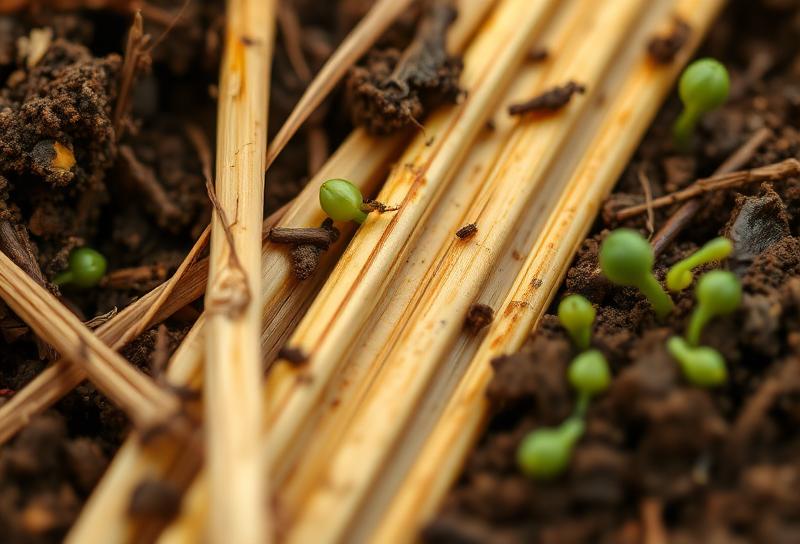
They are certified commercially compostable and break down in about 90 days in a commercial composting facility. They are not certified home compostable. That distinction is worth being clear about on staff notes or waste signage if customers ask.
Choosing between 6mm and 8mm straws
For juice bars, the main decision is usually between the Regular Sugarcane Straw and the Jumbo Sugarcane Straw. The Regular Sugarcane Straws are 6mm x 200mm and suit standard juices, iced drinks, lemonades and cold-press bottles served with a straw.
The Jumbo Sugarcane Straws are 8mm x 200mm and suit thicker drinks. Use them for smoothies, frappes, blended juices, shakes and pulp-heavy drinks where a 6mm straw may feel slow or blocked.
Many juice bars keep both sizes. A 6mm straw covers the everyday juice fridge and made-to-order clear juices. An 8mm straw covers the blender station and avoids staff having to double-straw thicker drinks.
If your menu is mostly thin juices, start with 6mm. If your best sellers are smoothies, açai blends, banana-based drinks or juice with fibre left in, start with 8mm. If the menu is split, stocking both is usually cleaner than trying to make one size do every job.
Bulk packs and case pricing
The Regular Sugarcane Straws are available in 2,500 pcs for $70.00 or 5,000 pcs for $135.00. The Jumbo Sugarcane Straws are available in 2,500 pcs for $100.00 or 5,000 pcs for $195.00. These are bulk case quantities, not small retail packs.
Bulk buying matters for juice bars because straws are a daily consumable. A counter with takeaway cups, bottled juice, smoothie lids and sampling cups can run through stock quickly, especially when staff keep straws within reach at the register and blender station.
The best ordering pattern depends on your drinks mix, not just your foot traffic. A cold-press shop that sells sealed bottles may use fewer straws than a smoothie counter with every drink served open and ready to sip. A venue with dine-in glasses may use fewer again.
For larger or multi-site ordering, the bulk orders page is the right place to check current case options. Ordering by the case also makes it easier to train staff, because they are always pulling from the same product size and not mixing leftovers from small packs.
Are compostable straws worth it for a juice bar?
For many juice bars, compostable straws are less about marketing and more about fit. Customers buying cold-press juice or smoothies often notice when a venue uses plastic-looking disposables. Staff also need something that performs better than paper in wet drinks.
The useful question is not whether a straw sounds sustainable, but whether it can survive the drink and the waste system you actually have. Sugarcane straws are commercially compostable, so they make the most sense where your venue, building or waste contractor can separate compostable packaging for commercial composting.
If all waste from your shop goes to general rubbish, the straw does not get the benefit of a commercial composting facility. It is still plastic-free and PFAS-free, but it should not be sold to customers as if it will compost in any bin. That honesty helps avoid greenwashing claims.
A practical approach is to match the straw to the waste message you can stand behind. Say commercially compostable if that is the claim. Do not say home compostable, marine biodegradable or landfill compostable, because those are not the certifications being supplied.
Wrapped or unwrapped for juice service?
Most juice bars use unwrapped straws behind the counter because staff hand them out with the drink or place them in a straw dispenser. Unwrapped 6mm and 8mm straws are the normal fit for made-to-order juice and smoothie service.
Individually wrapped straws are more relevant when hygiene presentation matters away from the counter. Examples include delivery orders, grab-and-go bags, catering boxes, hotel minibars or self-serve areas where customers handle stock directly.
For bubble tea or very thick drinks with pearls, a 12mm bubble tea straw is the correct format. EcoGreen Supplies carries both wrapped and unwrapped 12mm x 220mm bubble tea straws, but those are usually too wide for normal juice bar lids and standard juice drinks. If you also sell bubble tea, see the unwrapped Bubble Tea Straws range.
Freight and ordering across Australia
EcoGreen Supplies ships Australia-wide from NSW through the One World Courier network. Standard delivery is three to seven business days, and express delivery is one to three business days. Free warehouse pickup is available if that suits your operation.
Freight is quoted live at checkout using the carrier’s real rates and is charged at cost with no markup. There is no flat shipping rate and no free-shipping threshold. For bulky, light products like straws, freight is often priced on carton volume rather than just weight.
This matters when comparing suppliers. A low product price can look different once freight is added, especially for cases that take up space in a courier van. The cleanest comparison is the landed cost at checkout for the case quantity you actually need.
If you are opening a new juice bar, order before the final fit-out week if you can. Consumables are easy to overlook until cups, lids and straws need to be tested together. A quick lid test before opening can prevent service issues later.
A simple buying recommendation
For a juice bar with mostly clear juices, lemonades, iced teas and cold-press drinks, choose 6mm x 200mm Regular Sugarcane Straws. They are the standard option for everyday cold drinks and fit the widest range of normal cup lids.
For a juice bar with smoothies, thicker blends or pulp-heavy drinks, choose 8mm x 200mm Jumbo Sugarcane Straws. They give customers a better drinking experience where a 6mm straw may feel restricted.
For a mixed menu, keep 6mm at the register and 8mm at the blender station. That keeps staff decisions simple and reduces the chance of giving the wrong straw with the wrong drink.
If you are unsure which size fits your lids, test the straw with the lid opening and your thickest drink, not your thinnest. A straw that works with the most difficult drink on the menu is usually the safer operational choice. For product questions, contact [email protected].
Common questions
What size compostable straw is best for cold-press juice?
For cold-press juice and other thin drinks, a 6mm x 200mm sugarcane straw is usually the right fit. It suits standard juice cups, iced drinks and clear juices without feeling oversized. If the drink has heavy pulp, blended fruit or a thicker texture, move to an 8mm x 200mm straw instead.
Will sugarcane straws go soggy in juice or smoothies?
EcoGreen Supplies sugarcane straws hold up for 4+ hours in hot and cold drinks without going soggy. That makes them suitable for juice bars, smoothie counters and takeaway cold drinks. They are made from 100% sugarcane fibre with no plastic lining, so they perform differently from paper straws that soften quickly.
Are these straws home compostable?
No. These straws are certified commercially compostable, not certified home compostable. They break down in about 90 days in a commercial composting facility. If your venue does not have access to a commercial composting stream, describe them as plastic-free, PFAS-free and commercially compostable rather than implying they will compost in any bin.
Should a juice bar buy wrapped or unwrapped compostable straws?
Most juice bars should use unwrapped straws for counter service because staff hand the straw over with the drink. Wrapped straws are more useful for delivery bags, catering packs, grab-and-go settings or shared self-serve areas. If you mainly serve drinks over the counter, unwrapped 6mm and 8mm straws are usually simpler and less wasteful.
How do I compare the cost of compostable straws for a business?
Compare the case price and the freight shown at checkout, not just the product listing. Straws are bulky and light, so courier pricing can be based on carton volume as well as weight. EcoGreen Supplies charges live carrier rates at cost with no freight markup, and warehouse pickup is available if that suits your venue.