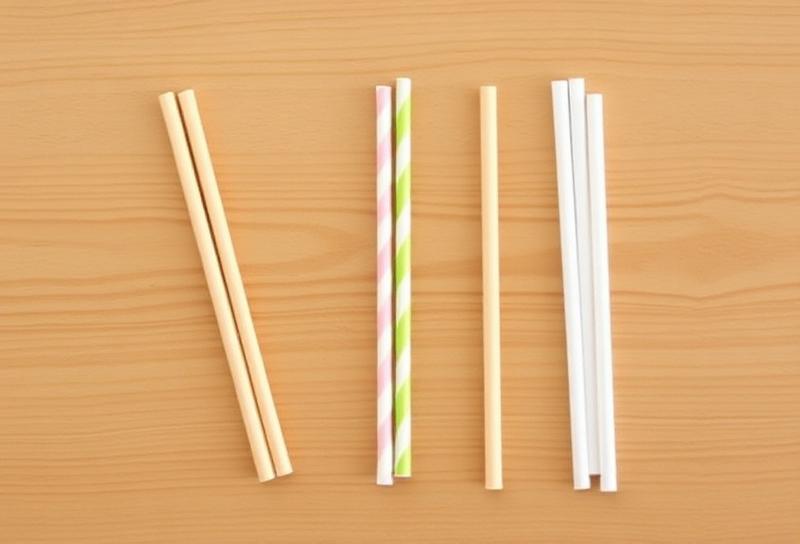
A practical buying guide for Tasmanian venues replacing banned plastic straws with commercial compostable sugarcane options.
Tasmania’s single-use plastics ban, made under the Plastics Reduction Act, means hospitality venues need to remove banned plastic service items from everyday use and choose compliant alternatives. For straws, a practical replacement is a plastic-free, PFAS-free sugarcane fibre straw that is certified commercially compostable and suitable for normal café, bar and takeaway service.
What the Tasmanian ban means at the counter
For a venue, the ban is not an abstract sustainability policy. It affects what staff can hand over with a drink, what sits in a self-serve caddy, and what gets packed into takeaway orders during service.
The simple operational question is whether the item behind the counter is a banned single-use plastic item or a non-plastic alternative. Paper, fibre and other compostable products are not automatically equal, so buyers still need to check material, coatings and certification rather than relying on a green label.
EcoGreen Supplies sugarcane straws are made from 100% sugarcane fibre, also called bagasse. They are plastic-free, PFAS-free and have no lining, which matters for venues trying to avoid replacing one problem item with another coated or plastic-lined product.
Choosing a straw that works in service
The first test is whether the straw survives the drink. A straw that collapses halfway through a table sitting creates waste, complaints and extra staff handling.
Sugarcane fibre straws hold up for 4+ hours in hot and cold drinks without going soggy. That makes them suitable for iced coffee, soft drinks, cocktails, juices, smoothies and many takeaway drinks where the customer may not finish immediately.
They are not the right answer for every possible use. If a drink needs an extra-wide straw for pearls, jelly or thick toppings, use a bubble tea straw rather than forcing a regular straw into the wrong job.
Which sugarcane straw should a Tasmanian venue order?
Most cafés and restaurants start with regular straws, then add cocktail or jumbo sizes if the drinks list needs them. Bubble tea shops should look at the wider formats first, because regular straws are not suitable for pearls.
- Regular Sugarcane Straws - 6mm x 200mm - 2,500 pcs $70.00, 5,000 pcs $135.00
- Cocktail Sugarcane Straws - 6mm x 140mm - 2,500 pcs $55.00, 5,000 pcs $110.00
- Jumbo Sugarcane Straws - 8mm x 200mm - 2,500 pcs $100.00, 5,000 pcs $195.00
- Individually Wrapped Bubble Tea Straws - 12mm x 220mm - 1,800 pcs $165.00
- Bubble Tea Straws (unwrapped) - 12mm x 220mm - 1,800 pcs $160.00
For standard counter service, the regular sugarcane straws are the main everyday option. They suit venues that need one straw for water cups, soft drinks, juices, iced drinks and takeaway cold drinks.
For bars, the cocktail sugarcane straws are shorter and better suited to spirits, mixed drinks and smaller glassware. A shorter straw usually looks neater in a rocks glass and avoids over-serving a full-length straw where it is not needed.
For thicker drinks, the jumbo sugarcane straws provide a wider opening while still being made from sugarcane fibre. For pearl drinks and bubble tea, use the dedicated bubble tea size rather than treating jumbo as a substitute.
Commercially compostable is not home compostable
Sugarcane fibre straws from EcoGreen Supplies are certified commercially compostable. They break down in about 90 days in a commercial composting facility, where conditions are managed for composting.
That does not mean they are certified home compostable. A backyard compost heap is not the same as a commercial composting facility, and a venue should not make home compost claims unless the product is specifically certified for that use.
For Tasmanian venues, the honest way to describe the product is simple: plastic-free, PFAS-free, no lining and certified commercially compostable. If your waste contractor does not collect commercial compost, the product choice can still help with plastic reduction, but the end-of-life pathway depends on your local waste arrangement.
This distinction is important for staff training. If a customer asks, staff can say the straw is made from sugarcane fibre and is commercially compostable, not home compostable. That is clearer than vague language such as biodegradable or eco-friendly.
Ordering from Tasmania
EcoGreen Supplies ships Australia-wide from NSW through the One World Courier network. Tasmanian venues can order cartons online and choose freight at checkout based on the live carrier quote.
Standard delivery is three to seven business days, and express delivery is one to three business days. Freight is charged at cost with no markup, and the checkout shows the carrier’s real rate rather than a flat shipping amount.
There is no free-shipping threshold. That is deliberate: straws are bulky-light freight, so the freight cost is driven by carton volume and delivery location, not just the weight of the goods.
Free warehouse pickup is available for buyers who can collect from NSW. For Tasmanian venues, courier delivery is usually the practical option, especially when ordering cartons for a café group, hotel, bar or bubble tea shop.
Buying for compliance without overbuying
A venue changing over because of the Tasmanian single-use plastics ban should start with the drinks menu, not the product catalogue. Count the straw types you actually use: standard cold drinks, cocktails, thick drinks, and bubble tea or sealed cups.
Then match one straw to each use case. Too many straw sizes behind the counter can slow service and lead to staff using the wrong item, while too few can mean a poor customer experience for thick or topped drinks.
If you are buying for multiple sites, keep the range consistent where possible. A simple purchasing list makes it easier for managers to reorder, train staff and avoid leftover plastic stock finding its way back into service.
Bulk orders are available for venues that want carton quantities rather than small retail packs. The bulk orders page is the best starting point if you are buying for a group, running central purchasing, or planning a full plastic straw changeover.
What to check before switching suppliers
Ask what the straw is made from, whether it has a lining, and whether PFAS is used. A product can look like paper or fibre but still include coatings that your venue may be trying to avoid.
Ask what compostability certification is being claimed. For EcoGreen Supplies sugarcane straws, the claim is certified commercially compostable, not home compostable.
Ask whether the supplier can provide the sizes you actually need. A café may only need regular straws, but a cocktail bar, restaurant group or bubble tea shop may need more than one format to cover the menu properly.
For help choosing the right size or setting up a Tasmanian order, contact [email protected]. If you are replacing plastic straws across a venue, include your drink types and whether you need wrapped or unwrapped bubble tea straws.
Common questions
Are sugarcane straws allowed under the Tasmania single-use plastics ban?
Sugarcane fibre straws are a non-plastic alternative for venues replacing banned single-use plastic straws under Tasmania’s Plastics Reduction Act framework. EcoGreen Supplies straws are made from 100% sugarcane fibre, with no plastic lining and no PFAS. Venues should still check their own compliance obligations, especially if they sell through events, institutions or managed sites with separate procurement rules.
Do commercially compostable straws meet the same need as paper straws?
They can meet the same service need, but they are not the same material. EcoGreen Supplies straws are made from sugarcane fibre rather than paper, and they hold up for 4+ hours in hot and cold drinks without going soggy. They are certified commercially compostable, plastic-free, PFAS-free and made without a lining.
Can I put sugarcane straws in home compost in Tasmania?
Do not describe these straws as home compostable. EcoGreen Supplies sugarcane straws are certified commercially compostable and break down in about 90 days in a commercial composting facility. Home compost conditions vary and are not the certification being claimed. If your venue separates organics, check whether your waste provider accepts commercially compostable foodservice items.
What is the best straw size for a café changing over from plastic?
For most cafés, regular sugarcane straws are the everyday replacement for standard cold drinks, juices, soft drinks and iced coffees. Cocktail straws suit shorter glassware and bar service, while jumbo straws suit thicker drinks. Bubble tea venues should use the dedicated 12mm x 220mm bubble tea straw, because pearls and toppings need a wider format.
How does freight work for Tasmanian business orders?
EcoGreen Supplies ships Australia-wide from NSW through the One World Courier network. Freight is quoted live at checkout from the carrier’s real rates and charged at cost with no markup. Standard delivery is three to seven business days, with express delivery one to three business days. There is no flat shipping rate and no free-shipping threshold.