How to choose between wrapped and unwrapped sugarcane bubble tea straws when buying at wholesale volume in Australia.
Wholesale bubble tea supplies in Australia means buying straws by the case rather than the sleeve, direct from a supplier instead of through a foodservice distributor's markup. For straws specifically, the main decision is wide-bore sugarcane fibre in wrapped or unwrapped format, priced per case, with freight quoted separately at cost rather than folded into a flat per-unit price.
What buying wholesale actually changes
Case pricing is lower per straw than small retail packs, but the trade-off is upfront cash and storage space. A case of 1,800 straws takes up real shelf room behind a busy counter, and you're paying for the whole case at once rather than topping up a small box weekly.
There's no flat shipping rate and no free-shipping threshold on top of that. Freight is quoted live at checkout from the courier's actual rates and charged at cost, so the total landed price depends on where in Australia you're shipping to and how many cases you order at once.
Wrapped vs unwrapped: the real decision
EcoGreen sells two versions of the same 12mm x 220mm sugarcane bubble tea straw, at the same wide bore needed to pull tapioca pearls through without clogging.
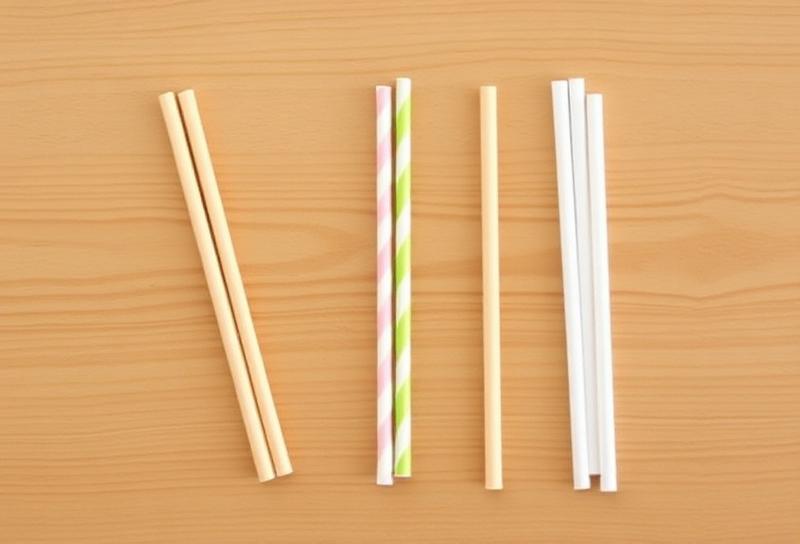
- Individually Wrapped Bubble Tea Straws — 12mm x 220mm, 1,800 pcs for $165.00, each straw sealed in its own paper wrap
- Bubble Tea Straws (unwrapped) — 12mm x 220mm, 1,800 pcs for $160.00, loose in the case for staff to insert behind the counter
The wrap itself is the only difference. Same fibre, same bore, same length, same compostability. What changes is how the straw travels from your storage to the customer's hand.
Wrapped straws suit venues where the straw is handed to the customer separately, self-serve stations, or takeaway orders that sit in a bag before the drink is opened. The individual seal keeps the straw clean without relying on a lid to do all the work, and it signals hygiene to a customer who's watching you handle their order.
Unwrapped straws are the better fit when staff insert the straw before the drink leaves the counter, which covers most bubble tea shops with a made-to-order service model. There's no wrap to unpeel and bin, less packaging waste per drink, and a small saving on the case price. Choose based on how the straw actually gets to the drink in your service flow, not on habit.
Why the bore has to be wider
Regular sugarcane straws run 6mm and jumbo straws run 8mm, both fine for water, soft drink or a milkshake. Neither is wide enough for tapioca pearls, which is why bubble tea straws are built to 12mm. If you're stocking both a café and a bubble tea line, expect to carry two different products, not one straw doing double duty.
The straw itself is 100% sugarcane fibre, or bagasse, with no plastic lining and no PFAS coating. It holds up for four or more hours in both hot and cold drinks without going soft, which matters more for bubble tea than for a takeaway coffee, since a boba drink is often nursed over a longer sit-down or a slow commute.
How far a case actually goes
How long a case of 1,800 lasts depends entirely on your daily drink count. A high-volume store might restock weekly; a smaller café-style operation running boba as a side line might make a case last a month or more. There's no single right cadence, but ordering in cases rather than small packs is what makes the per-straw cost worth chasing in the first place — see bulk order pricing for how the case price scales across product lines.
Freight on a bulky, light product
Sugarcane straws are bulky relative to their weight, which is the same reason freight for them is priced on volume rather than kilos. EcoGreen ships Australia-wide through the One World Courier network, standard delivery running three to seven business days and express one to three, with free warehouse pickup available if you're near enough to collect. Ordering fewer, larger shipments generally spreads the freight cost across more units than frequent small top-ups.
Compostability, honestly
These straws are certified commercially compostable and break down in around 90 days in a commercial composting facility. They are not certified home compostable, and it's worth being upfront with staff and customers about that distinction if your venue's waste stream doesn't include a commercial composting service. A straw that's compostable in principle but ends up in general landfill isn't doing the job it's sold on.
If you're setting up a boba counter in a share space or foodcourt in either city, the same wrapped-versus-unwrapped call applies whether you're browsing sugarcane straws in Melbourne or sugarcane straws in Brisbane — it comes down to service style, not location.
For a quote on a mixed order across straw types, or help deciding between wrapped and unwrapped for your setup, contact [email protected] or browse the full range on the blog for related buying guides.
Common questions
What's the actual difference between wrapped and unwrapped bubble tea straws?
The straw itself is identical: 12mm x 220mm sugarcane fibre with no plastic lining. Wrapped straws are individually sealed in paper, which suits takeaway service or self-serve counters. Unwrapped straws are loose in the case, cheaper per case, and suit venues where staff insert the straw into the drink before handing it over.
Are sugarcane bubble tea straws home compostable?
No. They're certified commercially compostable, breaking down in around 90 days in a commercial composting facility, but they are not certified for home compost systems. If your venue or your customers don't have access to commercial composting, the straw should go to general waste rather than a home compost bin.
How much do wholesale bubble tea straws cost in Australia?
Individually wrapped bubble tea straws are $165.00 for a case of 1,800, and unwrapped bubble tea straws are $160.00 for the same case size. Freight is quoted separately at checkout based on the carrier's live rates, or you can arrange free warehouse pickup.
Do sugarcane straws get soggy in bubble tea?
They hold up for four or more hours in both hot and cold drinks without softening, which covers the sit time of most bubble tea orders. Bagasse straws are noticeably sturdier than paper straws made without the fibre density sugarcane pulp provides.
How is shipping worked out for a bulk straw order?
There's no flat shipping fee and no free-shipping threshold. Freight is quoted live at checkout using the courier's real rates for your order size and delivery address, charged at cost with no markup. Standard delivery runs three to seven business days, express one to three, and free warehouse pickup is available.