How Australian venues can assess compostable straws by certification, PFAS status, drink fit, hold time and bulk buying practicalities.
The best compostable straws for Australian venues are the ones that match the drink, hold up during service, and have clear commercial composting certification. For cafes, bars, restaurants and bubble tea shops, sugarcane fibre straws are a practical option because they are plastic-free, PFAS-free, unlined, and designed to stay usable for 4+ hours in hot and cold drinks.
Start with the certification, not the marketing
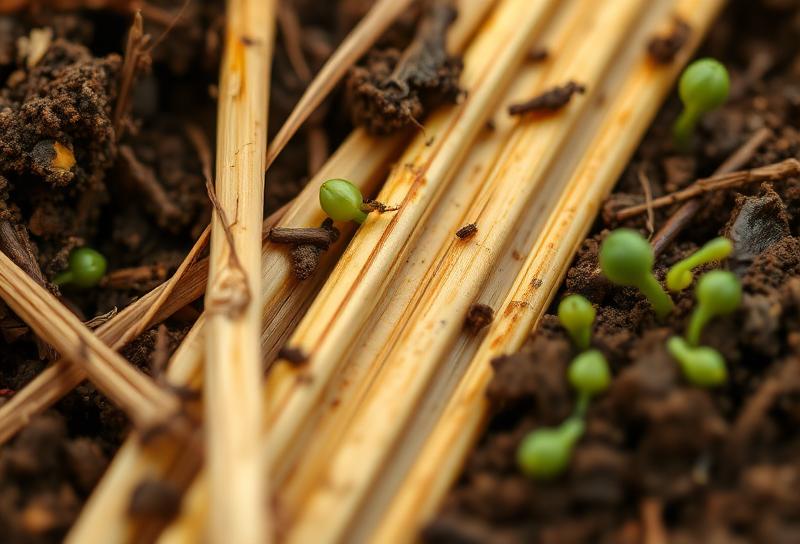
A compostable straw should be easy to explain to staff and customers. EcoGreen sugarcane straws are certified commercially compostable, which means they are designed to break down in about 90 days in a commercial composting facility.
That does not mean they are certified home compostable. It also does not mean they will reliably break down in landfill, in waterways, or in a backyard compost bin. A business buyer should be wary of any product page that blurs those settings together.
For a venue, the practical question is where used straws will go after service. If your waste contractor or local composting pathway accepts certified commercially compostable packaging, the certification matters. If the straws are going into general waste, the main benefit is removing plastic from the counter, not creating a perfect end-of-life pathway.
Check PFAS, lining and material claims
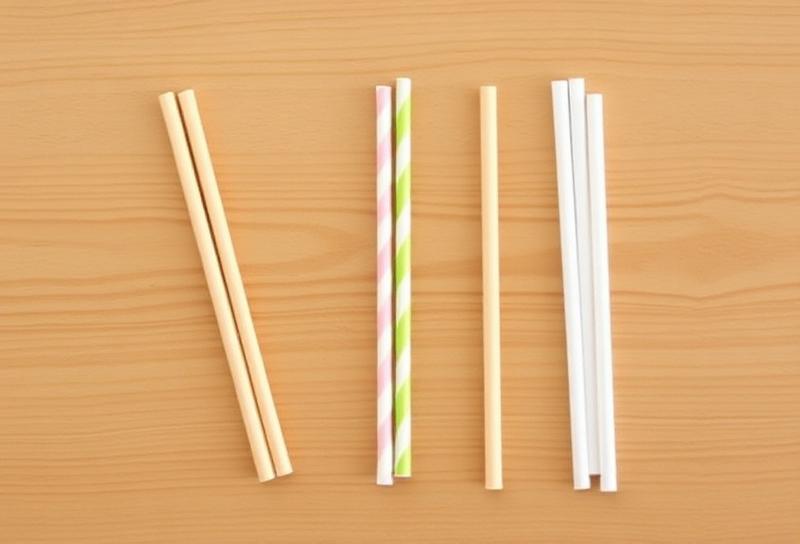
EcoGreen sugarcane straws are made from 100% sugarcane fibre, also called bagasse. They are plastic-free, PFAS-free, and have no lining. That matters because a straw can look paper-based or plant-based while still relying on coatings or additives that a buyer may not want near drinks.
PFAS-free is not a decorative claim for hospitality operators. Staff handle straws all day, straws sit in hot and cold drinks, and customers increasingly ask direct questions about packaging. A clear answer is easier to manage than a vague statement about being eco-friendly.
Sugarcane fibre also uses a by-product of sugarcane processing. For venues, the more important operational point is that the material behaves differently from paper. It is firm in the drink, has a smooth drinking feel, and does not collapse quickly during a long service window.
Match the straw to the drink
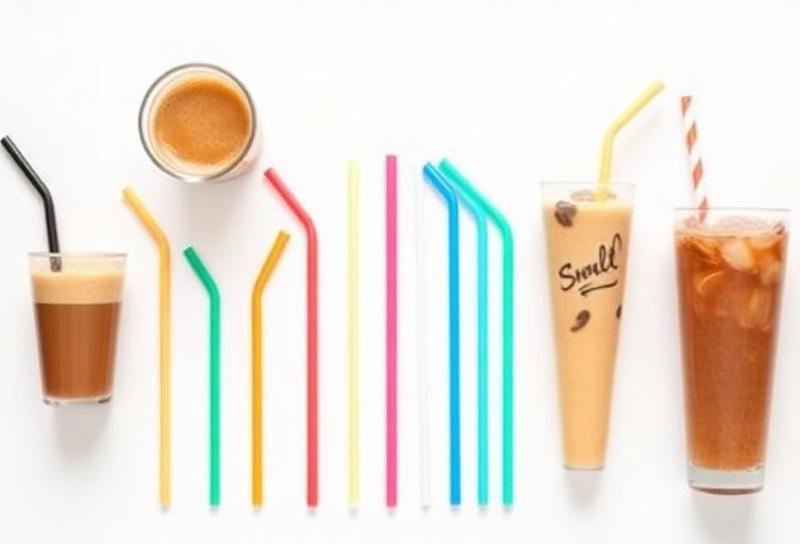
A good compostable straw can still be the wrong straw for a drink. The right choice depends on diameter, length, presentation and whether the drink includes pearls, fruit pieces or thick toppings.
EcoGreen’s regular option is the Regular Sugarcane Straws, 6mm x 200mm, packed in 2,500 pcs for $70.00 or 5,000 pcs for $135.00. It suits water, soft drinks, iced coffee, iced tea, mixed drinks and most standard cold drinks served across cafes, restaurants and bars.
The Cocktail Sugarcane Straws are 6mm x 140mm, packed in 2,500 pcs for $55.00 or 5,000 pcs for $110.00. They suit short glasses, spirits, cocktails and venues that do not want a full-length straw sticking well above the rim.
The Jumbo Sugarcane Straws are 8mm x 200mm, packed in 2,500 pcs for $100.00 or 5,000 pcs for $195.00. They are a better fit for smoothies, thickshakes, frappes and drinks where a regular straw may feel too narrow.
Bubble tea needs its own straw, not a standard jumbo straw. EcoGreen bubble tea straws are 12mm x 220mm and packed in 1,800 pcs, with unwrapped cases at $160.00 and individually wrapped cases at $165.00. The larger bore is for pearls and inclusions, and the longer length suits sealed cups.
Hold time matters during real service
A compostable straw has to last longer than the first sip. EcoGreen sugarcane straws hold up for 4+ hours in hot and cold drinks without going soggy, which covers most dine-in, takeaway and delivery situations where a straw is sitting in the drink for a while.
This hold time is especially relevant for iced drinks that linger on tables, takeaway coffees that sit in a car cup holder, and bubble tea orders that customers sip slowly. A straw that softens early creates complaints at the counter, even if the certification is sound.
Hot drinks are a useful test because some alternatives lose structure quickly. Sugarcane fibre is not the right answer for every possible use case, but for venues replacing plastic or poor-performing paper straws, the service window is usually the difference between a policy change and a workable product.
Work out the real cost for your venue
Price per unit is worth checking, but it should not be the only number in the decision. A straw that is slightly cheaper but gets doubled up by staff, rejected by customers, or unsuitable for a drink can cost more in daily service.
Bulk case pricing also matters because hospitality buying is repetitive. EcoGreen’s listed case options are 2,500 pcs or 5,000 pcs for regular, cocktail and jumbo straws, and 1,800 pcs for bubble tea straws. That lets a venue order around actual service volume rather than small retail packs.
For larger or mixed orders, the bulk orders page is the better starting point. A cafe may need regular straws for iced drinks and jumbo straws for smoothies, while a bar may use cocktail straws during table service and regular straws for soft drinks.
Do not forget freight when comparing suppliers. Straws are light but bulky, so freight is often priced on carton volume rather than weight alone. A low product price can become less attractive if the shipping charge is padded or unclear.
Shipping and stock planning in Australia
EcoGreen ships Australia-wide from NSW through the One World Courier network. Standard delivery is three to seven business days, and express delivery is one to three business days. Freight is quoted live at checkout from the carrier’s real rates and charged at cost, with no markup.
There is no flat shipping rate and no free-shipping threshold. That is less neat than a banner offer, but it is more transparent for business buying. Free warehouse pickup is available for operators who can collect.
If you are changing straw type across a venue, order before the last carton runs out. New straws may need a short handover for staff, especially if you are introducing different sizes for different drinks. A simple counter guide often prevents the wrong straw being used during a rush.
Operators in major cities can also use location pages such as sugarcane straws for Melbourne to check buying details and delivery context. The product range is the same core range, but the page may be easier for local search and procurement notes.
A practical shortlist for Australian venues
The best compostable straw choice is not one product for every drink. A venue should shortlist by commercial composting certification, PFAS-free material, no lining, suitable size, hold time, and the total landed cost of the case.
For a general cafe or restaurant, regular sugarcane straws are usually the main stock item. For a cocktail bar, shorter cocktail straws make more sense. For smoothies and thick drinks, jumbo straws are the better fit. For bubble tea, use 12mm bubble tea straws, wrapped or unwrapped depending on your hygiene and service setup.
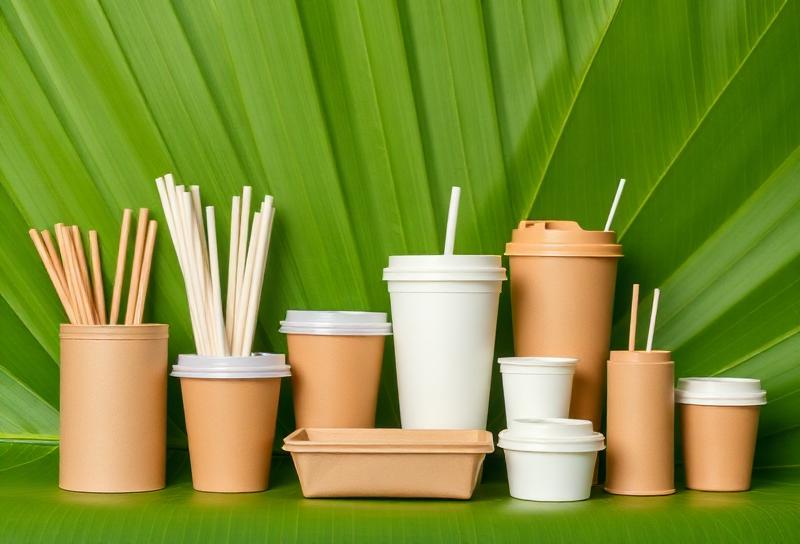
EcoGreen’s range is built around those common venue use cases rather than novelty formats. If you need a certified commercially compostable, plastic-free straw that staff can use without explaining a compromise to every customer, sugarcane fibre is a strong option to test behind the counter.
Common questions
What are the best compostable straws in Australia for a cafe?
For most cafes, the best starting point is a certified commercially compostable straw that is PFAS-free, plastic-free, unlined, and suitable for both hot and cold drinks. EcoGreen Regular Sugarcane Straws are 6mm x 200mm and suit iced coffee, soft drinks, water and standard takeaway drinks. Jumbo straws are better for smoothies and thicker drinks.
Are sugarcane straws actually compostable or just marketed that way?
EcoGreen sugarcane straws are certified commercially compostable and are designed to break down in about 90 days in a commercial composting facility. They are not certified home compostable. A venue should confirm whether its waste contractor or local composting pathway accepts certified commercially compostable packaging before relying on composting as the disposal route.
Do compostable sugarcane straws go soggy like paper straws?
EcoGreen sugarcane fibre straws hold up for 4+ hours in hot and cold drinks without going soggy. They are made from 100% sugarcane fibre with no plastic lining. For venues, that hold time is often the key difference between a straw that works during service and one that staff or customers avoid.
How should a venue compare compostable straw prices?
Compare the case price, pack count, straw size, freight and whether the straw suits the drink. EcoGreen case prices include Regular Sugarcane Straws at 2,500 pcs for $70.00 or 5,000 pcs for $135.00, Cocktail Sugarcane Straws at 2,500 pcs for $55.00 or 5,000 pcs for $110.00, and Jumbo Sugarcane Straws at 2,500 pcs for $100.00 or 5,000 pcs for $195.00.
Should bubble tea shops use jumbo compostable straws?
Bubble tea shops should use a dedicated bubble tea straw, not a standard jumbo straw, when serving pearls or inclusions. EcoGreen Bubble Tea Straws are 12mm x 220mm and packed in 1,800 pcs. The unwrapped case is $160.00, and the individually wrapped case is $165.00 for venues that prefer wrapped straws for service or hygiene handling.