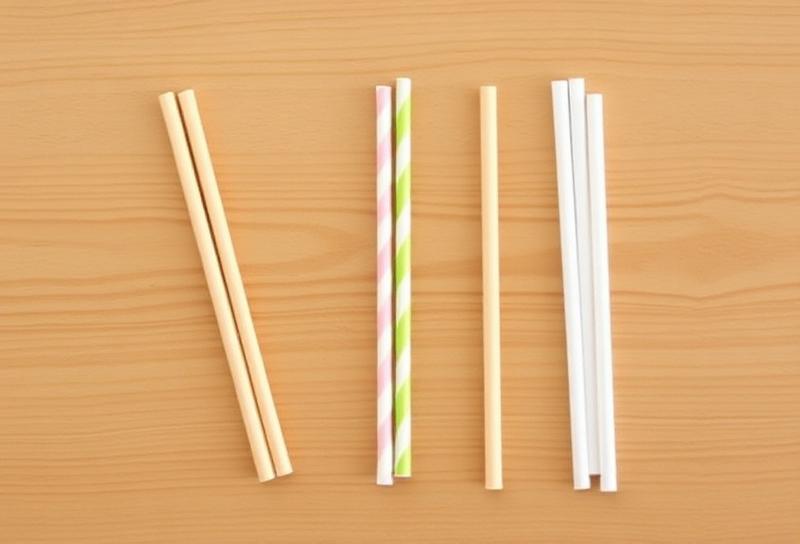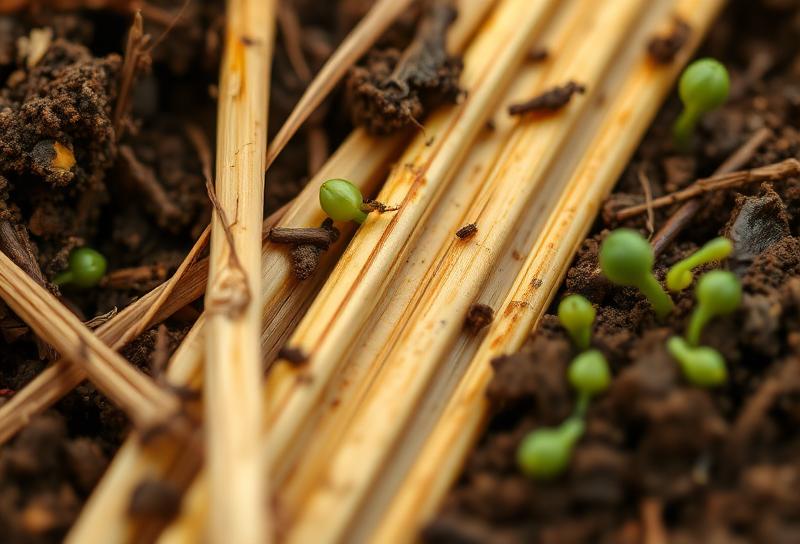
A practical Australian guide to compostable and biodegradable claims for hospitality packaging buyers.
Compostable and biodegradable do not mean the same thing in Australia. Compostable packaging should be backed by a recognised compostability certification and a suitable composting pathway, while biodegradable only means a material can be broken down by microorganisms under some conditions. For hospitality buyers, “certified commercially compostable” is a clearer claim than “biodegradable” because it tells you the intended end-of-life system.
The short difference
Biodegradable is a broad description. It says a material can be broken down by living organisms, but it does not necessarily tell you where, how long it takes, what conditions are needed, or what is left behind. Without that detail, the word can be too vague for a venue making a purchasing decision.
Compostable is a more specific claim. It means the item is designed to break down in a composting environment and form compost under defined conditions. In commercial packaging, the practical question is whether the product is certified for commercial composting and whether your waste stream can actually send it to a suitable facility.
For cafes, bars, restaurants and bubble tea shops, the difference matters because the claim sits on your counter as much as on the carton. A customer may ask whether a straw or cup is compostable. Staff need a simple answer that is accurate, not a marketing line that falls apart under a follow-up question.
What biodegradable really tells you
A biodegradable claim on its own is incomplete. It does not automatically mean the item will break down quickly in a bin, in landfill, in the ocean, or in a backyard compost heap. Those are different environments with different moisture, heat, oxygen and microbial activity.
This is why “biodegradable straw” can be a poor buying description. It may sound environmentally preferable, but it does not give your venue a clear disposal instruction. If an item cannot be accepted by your composting service, the word does not help your staff separate waste correctly.
A good supplier should be able to explain the material, whether the item has a lining or additive, and what end-of-life pathway the claim relies on. If the answer is simply “it biodegrades”, that is not enough for a business buyer. Ask what the certification is and what bin the item should go in at your site.
What commercially compostable means
Commercially compostable means the product is intended for an industrial composting process, not a home compost bin. Commercial composting facilities manage conditions that are not the same as a backyard system. That distinction is important because a product can be suitable for one setting and not certified for the other.
EcoGreen Supplies sugarcane-fibre straws are certified commercially compostable and break down in about 90 days in a commercial composting facility. They are not certified home compostable. That limit should be stated plainly, because overclaiming compostability creates the same trust problem as vague biodegradable language.
The material used in EcoGreen straws is 100% sugarcane fibre, also called bagasse. The straws are plastic-free, PFAS-free and made without a lining. For a hospitality venue, that means the material claim and the disposal claim are connected rather than relying on a coated product with unclear separation requirements.
Australian buyers should ask for the standard, not the slogan
In Australia, the useful question is not “is it eco friendly?” The useful question is whether the packaging has compostability certification that matches the disposal pathway available to your business. A commercial composting claim should be backed by certification for commercial composting, not just a supplier statement.
If your venue already uses a commercial organics collection, check what the waste contractor accepts. Some services accept certified compostable packaging, while others only accept food scraps. The product may be certified, but your local collection rules still decide whether it belongs in that bin.
If your site does not have access to a commercial composting pathway, certified commercially compostable packaging may still be a material improvement over some alternatives, but you should not tell customers it will be composted unless that is actually happening. Clear wording protects your staff from having to defend a claim they cannot verify.
Why this matters behind the counter
Hospitality packaging is handled quickly. Staff need to know which straw suits which drink, where cartons are stored, and what to say when a customer asks what the product is made from. If the answer depends on a long explanation, it will not survive a busy service period.
A practical counter script is simple: “These are sugarcane-fibre straws, certified commercially compostable, and they are not plastic.” If you do not have a commercial composting collection, leave out any claim that the straws are being composted by your venue. Say what the product is, not what your waste system does not do.
Durability also matters. A compostable straw still has to work in the drink you sell. EcoGreen sugarcane-fibre straws hold up for 4+ hours in hot and cold drinks without going soggy, which makes them suitable for dine-in service, takeaway coffee, cocktails and many cold drinks.
Choosing the right straw for the drink
Regular Sugarcane Straws are 6mm x 200mm and suit most standard cold drinks, juices, soft drinks and iced coffees. They come in 2,500 pcs cases at $70.00 and 5,000 pcs cases at $135.00. Venues using one straw size for most drinks often start with the regular sugarcane straws.
Cocktail Sugarcane Straws are 6mm x 140mm and suit short glasses, mixed drinks and garnish service where a full-length straw looks out of place. They come in 2,500 pcs cases at $55.00 and 5,000 pcs cases at $110.00. For bars, the shorter size can reduce waste caused by cutting down larger straws by hand.
Jumbo Sugarcane Straws are 8mm x 200mm and suit thicker drinks where a regular straw is too narrow but a bubble tea straw is too wide. They come in 2,500 pcs cases at $100.00 and 5,000 pcs cases at $195.00. Smoothies, frappes and some blended drinks are the usual fit for jumbo sugarcane straws.
Bubble Tea Straws are 12mm x 220mm and are made for pearls, toppings and sealed cups. The unwrapped version comes in 1,800 pcs cases at $160.00, and the individually wrapped version comes in 1,800 pcs cases at $165.00. Bubble tea operators can choose between unwrapped bubble tea straws and individually wrapped bubble tea straws depending on service style and hygiene preference.
Buying in bulk without hiding the freight
Bulk straw cartons are bulky-light freight. They take up space in a courier network even though they are not especially heavy. That is why freight should be calculated from the carrier’s real rate rather than guessed as a simple flat charge.
EcoGreen Supplies ships Australia-wide from NSW via the One World Courier network. Standard delivery is three to seven business days, and express delivery is one to three business days. Freight is quoted live at checkout from the carrier’s real rates and charged at cost with no markup.
There is no flat shipping rate and no free-shipping threshold. Free warehouse pickup is available for venues or buyers who can collect. For larger or repeated orders, the bulk orders page is the right place to plan case quantities rather than treating straws as a last-minute retail purchase.
A simple rule for avoiding greenwashing
Use “biodegradable” carefully, because it is broad and often incomplete. Use “certified commercially compostable” when the product is certified for that pathway, and make sure your disposal instructions match the waste service at your venue. If there is no commercial composting collection, do not imply the item will be composted after use.
The most defensible packaging claim is one your staff can repeat accurately: the material, the certification, the use case and the disposal limit. For sugarcane-fibre straws, that means 100% bagasse, plastic-free, PFAS-free, certified commercially compostable, and not certified home compostable. That is clearer than relying on a single broad word like biodegradable.
Common questions
Is compostable better than biodegradable for Australian hospitality packaging?
Compostable is usually the clearer claim for business buying because it points to a defined composting pathway. Biodegradable is broader and may not tell you the conditions, timing or disposal method. For straws and foodservice packaging, ask whether the item is certified commercially compostable and whether your waste contractor accepts that packaging.
Can commercially compostable straws go in a home compost bin?
Not unless they are certified home compostable. EcoGreen sugarcane-fibre straws are certified commercially compostable, but they are not certified home compostable. They are designed to break down in about 90 days in a commercial composting facility, where conditions differ from a backyard compost bin.
Do sugarcane-fibre straws go soggy like paper straws?
EcoGreen sugarcane-fibre straws hold up for 4+ hours in hot and cold drinks without going soggy. They are made from 100% sugarcane fibre, with no plastic lining and no PFAS. For most venues, the right size matters as much as the material, especially for smoothies, cocktails and bubble tea.
What should I tell customers if we do not have compost collection?
Tell customers what the product is without overstating the disposal outcome. A fair answer is that the straws are made from sugarcane fibre, are plastic-free and PFAS-free, and are certified commercially compostable. If your venue does not send them to a commercial composting facility, do not claim they will be composted after use.
Is biodegradable packaging accepted in commercial composting?
Not automatically. A biodegradable claim does not prove the item is suitable for a commercial composting facility. Composting services usually look for recognised compostability certification and may have their own acceptance rules. Always check the product certification and your waste contractor’s requirements before putting packaging in an organics bin.